

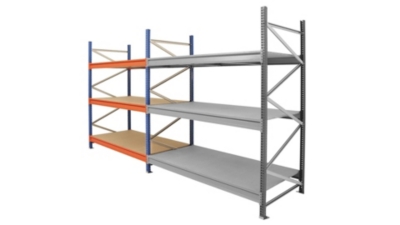

How to Reduce Risk and Improve Warehouse Safety
2025/09/28
Back to the BiG BLOG
The risk of injury is constantly high within warehouses. With vehicles whizzing around, staff busy fulfilling orders and machines helping package products throughout the day, it's essential to ensure everything is working to a routine and hazards are kept to a minimum.
With a 2025 survey by ProGlove revealing 73% of warehouse staff have considered leaving roles due to discomfort or injury concerns, it’s no surprise that warehouse managers are now paying closer attention to how their teams work and doing all they can to prioritise safer day‑to‑day operations. Under the Workplace Regulations 1992, every warehouse owner is legally responsible for protecting the health, safety and welfare of their employees. That responsibility includes keeping safety measures current and ensuring all procedures are regularly reviewed and updated.
In a busy warehouse, this is a difficult task and it can be easy to let things slip. However, BiGDUG is here to help you ensure your warehouse health and safety strategy is spot on – check out our list of essential tips for reducing risk within your building.
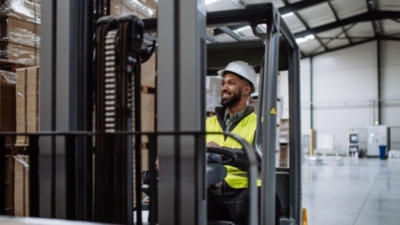
Warehouse Forklift Operation
Forklifts are extremely important for warehouses. They improve worker efficiency and ensure that operations are fulfilled at a faster pace. The misuse of forklifts has been noted as one of the most common causes of workplace injury as the vehicles can endanger operators, workers around them and inventory.
When employees are reversing the forklift, considerable care should be taken. This is because almost a quarter of all deaths including a vehicle at work occur whilst it is in reverse. Reversing should be avoided at all costs, however, if it can’t, drivers should always have a spotter or other forms of visibility support.
By introducing a one-way system and planning routes for forklifts to follow, the need for drivers to reverse vehicles will reduce and visibility will be maximised. Other important factors include ensuring drivers look both ways when leaving aisles and setting up mirrors so vision can be enhanced when operators are manoeuvring around corners.
Other forklift health and safety rules include:
- No one under the age of 18 should ever operate a forklift
- Ensure all drivers are competent and have completed all necessary practical training
- 5mph should never be exceeded by drivers at any point. Signs should be placed in relevant areas to remind operators
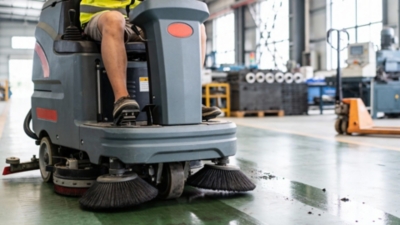
Warehouse Maintenance and Housekeeping
A busy warehouse can quickly turn into a messy one. Aisles that aren’t kept clean, dry or in good condition can lead to slips, trips, and falls. These three types of accidents are the number one cause of non-fatal workplace injuries in the United Kingdom. These injuries are easy and simple to prevent, the following tips can help you safeguard your warehouse.
Top tips for warehouse cleaning and maintenance
- Lighting should be bright throughout the warehouse, with important signs being clear, visible, and easy to understand. Any important labels should be illuminated where possible as well.
- Have measures in place so unwanted items are quickly removed. Ensure that workers have good housekeeping rituals in place to follow to ensure that they remove obstructions from paths, keep cables tidied away, clean up spillages and so on.
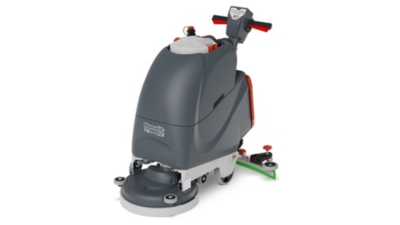
- Cleaning staff should always display appropriate cleaning signs. If possible, schedule cleaning to be done outside of working hours to reduce the risk to warehouse operators. Also, ensure that housekeepers use the correct method and detergent for the warehouse floor.
- Use anti-slip paint. This will reduce the slipping quality of the floor, prevent the building up of dust, minimise wear and tear, and improve the cleanliness of the floor. Anti-slip footwear should also be encouraged to further lower the chances of slips.
- Make sure that stairs have non-slip materials and sturdy handrails in place. Anti-slip tape and paint are also useful for hard-to-see areas.
- Ensure all floors are level as uneven flooring can cause individuals to lose their footing and fall, especially if carrying a heavy or bulky load.
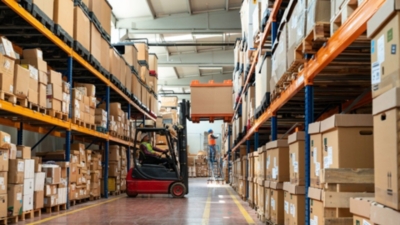
Warehouse Storage
The improper storage of inventory can create significant risks for workers. With stock often stacked at height, the risk of falling items represents a high‑priority safety concern that can lead to serious harm if not properly managed. Ladder safety is equally critical, as using an unstable or unsuitable ladder can result in severe injury or, in the worst cases, death.
Inefficient warehouse storage can be improved by:
- Heavier loads should only be stacked on lower or middle shelves.
- Loads should be evenly dispersed and properly positioned.
- Stack stock or parcels neatly to ensure that items don’t shift and fall.
- Always remove one load at a time and never overreach when storing or retrieving stock. Staff should have the training to work at height safely.
When ladders are in use, make sure:
- Ladders are used for no longer than 30 minutes.
- Users stay off the top three rungs.
- Staff maintain three points of contact on the ladder at all times. Such as using two feet and holding on with one hand.
Conveyors
Conveyors are a source of danger within warehouses, because there is a serious hazard posed to workers getting trapped in the moving parts of the belt.
Keep staff safe by:
- Ensuring that conveyors are appropriately safeguarded so operators are protected against the risk of hair, clothing, or body parts from becoming entangled in the machine.
- Make staff perform proper lock-off procedures, followed during conveyor maintenance and repair.
Manual Handling and Lifting
Improper handling and lifting are the most common causes of injury within any workplace. Workers can develop musculoskeletal disorders (MSDs) due to overreaching, straining, and using awkward postures.
Employers can reduce the risk of MSD development by ensuring that their employees have had effective manual handling training. This helps workers adopt a proper posture and keep lifting to a minimum. If the load isn’t necessary to lift and can be moved to workstations, this is the safer route.
It's also important to consider whether loads can be handled alternately, or if machinery can be used to assist workers in handling stock. Using machinery assistance can also pose a risk to staff if not operated properly. Staff must have training on said equipment and understand the maximum safe working load.
Warehouse Pallets and Racking
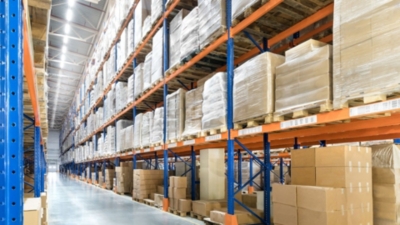
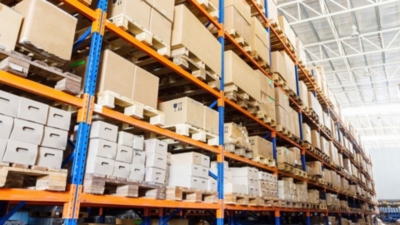
Warehouse workers have to load and unload pallets from racking constantly during their workdays. This must be done safely to ensure that pallets don’t drop, racking is secure, and inventory is left undamaged. Other ways that safety can be assured are by:
- Training staff on how to stack pallets securely, using a stretch wrap or shrink wrap to ensure a stable stacking pattern.
- Make sure employees follow the manufacturer’s pallet height and weight limits. Pallets should be evenly stacked, with the heaviest loads placed at the bottom.
- Pallets should always be inspected before use for nails, splinters, cracks, or other impairments.
- Instruct workers to never walk over, lean or climb on pallets and racking.
- Inform employees that pallets or forklifts should never be used to access heights.
Warehouse Fire Hazards
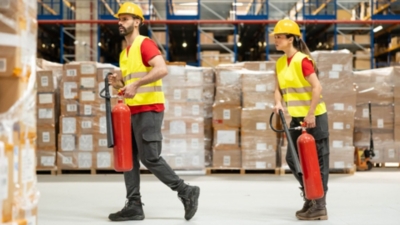
Due to storehouses having a lot of open space, fires can form extremely quickly. Fire hazards can be managed by taking these measures:
- Carry out fire drills at least once a year.
- Test firearms weekly.
- Regularly check all other fire hazard apparatus such as smoke alarms, extinguishers, and emergency lighting is up-to-date and working.
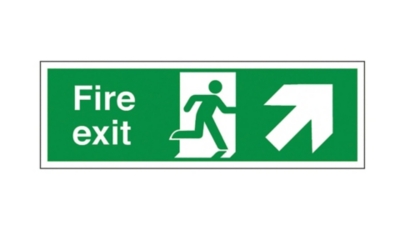
- Create a fire evacuation and emergency exit plan that is in place and regularly updated if need be.
- Appoint fire wardens.
Popular Categories
Browse our best-selling collections for warehouse health and safety
Why Floor Marking with Hazard Tape is Essential
Using hazard tape to introduce a line plan into your warehouse is a great way to increase floor safety and the efficiency of daily routines within the confines of the building. Integrating line plans into your warehouse has four main important benefits:
Warehouse Organisation
Having hazard tape markings on the floor of the storehouse allows operatives to clearly see where all stock is located such as where bulk goods, pallets, and certain equipment are stored. Each group should have overhead signs and floor indicators to maximise the warehouse and efficiency of workers, allowing them to see what they are searching for from all angles.
5S Standards
The 5S Standards is a system where you organise spaces so workers can perform efficiently, effectively, and safely. This system focuses on putting everything where it belongs and keeping the workplace clean, increasing ease of access to equipment and in turn the speed at which jobs are completed, alongside lowering the risk of injury to employees or machinery. Having hazard markings or instructive line markings on the floor helps improve efficiency and the safety of workers, and aids neater organisation of the building.
Traffic Direction and Cooperation
Hazard tape is often used to instruct forklifts or other heavy machinery safety, letting operators know where they can drive, in what direction, and at what speed. It can also help pedestrian workers understand where they can go, to ensure there are no clashes between one another and the drivers. Floor markings increase the overall safety of the warehouse and ensure that all operations run smoothly with no collisions of staff or forklifts.
Personal Protection Equipment (PPE)
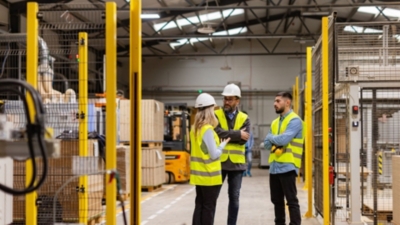
Floor markings can help indicate what PPE is needed within the warehouse and at what point or location it is essential to wear it. For example, you could use a dotted red line to show that a hard hat is required beyond a certain point, bettering personal and colleague safety, and minimising the risk of injury or harm to workers.
Employee Training
To ensure that health and safety remain a top priority, you must provide regular training to staff, as well as enforce it and review it constantly. Without regulation, the rules in place will slip and cause significant risks to workers’ health and safety.
Employers regularly believe that training is a one-off. Now, it is important to advise new employees of the risks within the warehouse and ensure they all do the relevant tests. This is usually a good way to check if individuals have the skills and qualifications needed for their role. This is vital for busy warehouses with hazardous environments. However, this training should be a recurring practice.
All employees must have their training changed due to building, machinery, and technology changes. New workers should be given a health and safety induction before beginning their first task. This training should then continually be reinforced and become a part of the culture. This tuition is an essential safety management tool, they usually deal with problems such as increased exposure to repetitive motions and so, will help prevent bodily strain-related injuries.
Audits
Putting warehouse safety measurements in place is crucial to a business’s survival, but guaranteeing that they are maintained long-term is also important. To ensure standards are upheld within the warehouse, managers should conduct regular audits covering the building’s machinery and inventory. Employees should also be audited to make sure that their knowledge is up-to-date, and that their behaviours conform to safety procedures.
You should always take action before anything goes wrong, and act before accidents happen. Some conditions you can audit to ensure they aren’t happening include:
- Workers not wearing PPE.
- Malfunctioning equipment.
- Messy aisles and pathways.
- Unclear or impaired safety signs.
- Locked or poorly lit emergency exits.
- Wires, cords, and ties aren’t laid across the floor.
- Uneven or damaged floors and tiles.
Warehouse Health and Safety FAQs
Why is safety important in a warehouse?
Warehouse safety is essential because it protects workers from preventable injuries, reduces downtime, and keeps operations running efficiently. A strong safety culture also helps businesses comply with legal requirements and maintain a productive, well‑organised environment.
How can PPE enhance warehouse safety?
PPE enhances warehouse safety by providing a physical barrier against common risks such as impacts, noise, chemical exposure, and slips. Items like helmets, gloves, high‑visibility clothing, and safety footwear help minimise injury and support safer day‑to‑day tasks.
What are the most common causes of accidents in warehouses?
Common causes of warehouse accidents include poor manual handling, slips and trips, falling objects, forklift collisions, and inadequate training. Many incidents stem from rushed work, cluttered walkways, or outdated safety procedures.
How can warehouse layouts be designed to improve safety?
A well‑designed warehouse layout improves safety by creating clear traffic routes, reducing congestion, and separating pedestrian and vehicle areas. Good lighting, logical storage zones, visible signage, and accessible emergency exits all help lower the risk of accidents.
What warehouse safety training courses are there?
Warehouse safety training typically includes manual handling, forklift operation, fire safety, first aid, and hazard awareness courses. Many facilities also offer refresher training and role‑specific programmes to ensure staff stay compliant and confident in their duties.
In Summary
When running a fast-paced business, ensuring the safety of those working in the warehouse is essential for the operations to keep running smoothly and for your workforce to be kept intact.
Constantly checking and updating procedures can take time, however, the payoff is worth it. It can help save your business money and keep your employees safe from injury or other dangerous hazards. By following our advice, your warehouse will benefit, and your workforce will respect you more as a business owner for taking care of everyone working.
To buy racking, shelving, flooring, and storage solutions from a reliable supplier, shop with BiGDUG today.

Contact Us
Looking for a bespoke solution? Speak to our Business Solutions team to find out more.