


Staying Safe in Cold Seasons: What is Winter Grit?
Back to the BiG BLOG
We all know the struggle of staying safe when walking on icy paths or driving on frozen roads during the winter months. The cold weather can quickly turn everyday surfaces into dangerous slip hazards, increasing the risk of falls and accidents. This is where winter grit, more commonly known as grit salt, comes in as a highly effective solution for combating icy conditions.
By spreading grit salt on walkways and roads, you can reduce the formation of ice and improve traction, making these surfaces safer for pedestrians and drivers alike.
For large businesses with car parks or extensive walkways, using winter grit becomes very important. These high-traffic areas aren't immune to quick ice build-up, even in areas with constant foot and vehicle movement. These spaces can be regularly treated with grit salt to help prevent accidents, reduce liability, and maintain smooth operations during winter.
What is Winter Grit?
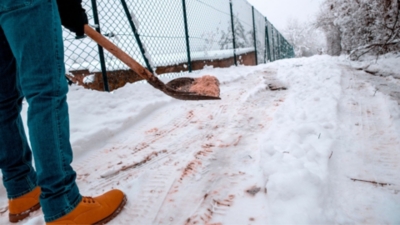
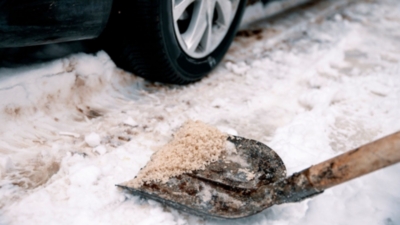
Winter grit refers to a blend of materials like salt, sand, and other granular materials that are used to prevent ice from forming on surfaces during the colder months. The most common type of winter grit is a mix of salt and sand, with salt serving to melt the ice and sand improving traction on slippery surfaces.
How Winter Grit Improves Safety
Winter grit is incredibly important during the colder seasons. When used correctly, it can help reduce the risk of slips and falls during icy conditions. Prevent unwanted ice rinks from forming and ensure safer footing by spreading grit on walkways, driveways, and roads. The grit works by creating friction, which improves traction on slippery surfaces, making it easier to walk and drive safely.
Not only does it provide reliable traction to surfaces, but it can also help snow and ice melt more efficiently. The salt in winter grit lowers the freezing point of water, causing ice to melt faster, even in sub-zero temperatures. This helps prevent dangerous ice buildup and reduces the need for frequent reapplication.
Winter Grit Essentials
To make your winter safety plan truly effective, it’s not just about understanding how grit works – it’s about having the right tools on hand when the temperature drops. From small offices to large commercial sites, workplaces of all sizes should be equipped with a few key winter grit essentials to stay prepared for sudden ice or snow. These products will ensure you can act quickly and keep your premises safe.
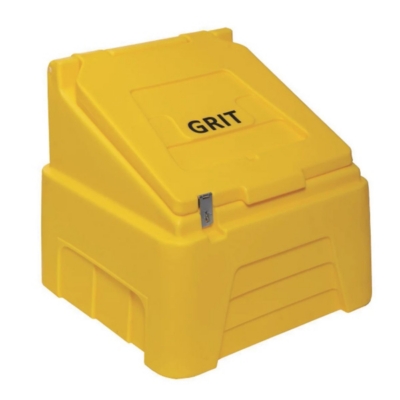
Heavy-Duty Salt & Grit Bins
Built to withstand the elements, these tough, UV-resistant bins are perfect for businesses, schools, and local authorities that need reliable storage for grit and salt. Available in generous 200L or 400L capacities, these bins are designed for heavy-duty use and easy access, offering long-term value.
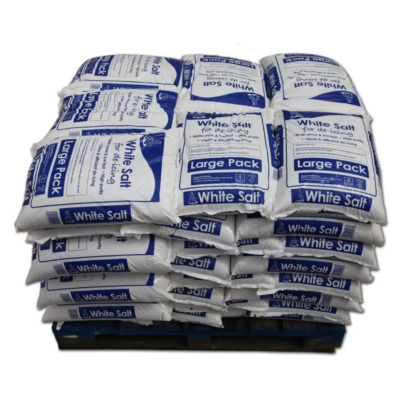
White De-Icing Salt
Perfect for homes and small businesses, this high-quality salt melts ice quickly without leaving any residue, making it clean and easy to use. We stock white de-icing salt in a wide variety of bag sizes from 10kg to 25kg, with bulk-buy deals delivered on a pallet – the perfect way to stock up for your winter safety plan.
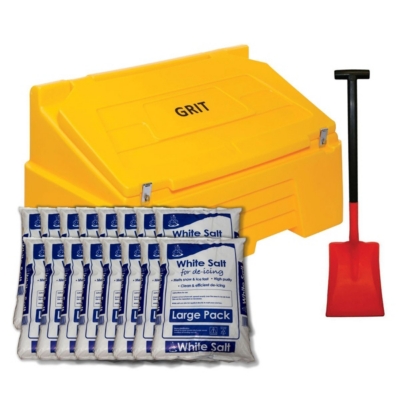
Winter Grit Bundle
This premium set includes a heavy-duty 400L salt bin, 16x 25kg bags of high-quality de-icing salt and a durable grit shovel – everything you need to make your winter maintenance tasks. Perfect for residential or commercial use, the kit keeps pathways, driveways, and roads safe throughout the colder months.
Winter Grit FAQs
Is winter grit environmentally friendly?
Although it is important in combating the risks associated with snow and ice and improving safety, some types of salt can harm plants, animals, and water systems when used excessively. So it is important to be aware of the potential environmental impact of using winter grit. To minimise your environmental impact, choose eco-friendly options, such as calcium magnesium acetate, which is less harmful than traditional salt. Apply winter grit in moderation and avoid using it in areas where runoff can affect wildlife.
What is rock salt?
Rock salt is a naturally occurring mineral form of sodium chloride used to melt ice and improve traction on slippery surfaces. Also known as road salt, it works by lowering the freezing point of water, helping to break down ice on roads, car parks and walkways during winter.
What is in road salt?
Road salt is primarily made of sodium chloride, often mixed with small amounts of anti‑caking agents or grit to improve spreadability and traction. Some blends may include additives like magnesium chloride to enhance performance in very low temperatures.
How long does road salt last?
Road salt doesn’t expire, but its effectiveness is reduced if it absorbs moisture and clumps over time. When stored in a proper grit bin, it can last for years while maintaining its de‑icing performance. Once applied to a slippery surface, it becomes less effective as it gets washed away by rain, melting snow and traffic.

Contact Us
Looking for a bespoke solution? Speak to our Business Solutions team to find out more.