


Five Strategies for Better Warehouse Profitability
2025/09/22
Looking for strategies to make your warehouse more profitable? If so, you've come to the right place. At BiGDUG, we know how important streamlined operations are when it comes to keeping costs under control and staying competitive.
When profitability dips, warehouses can struggle to meet their operational costs. It may also become more difficult to invest in improvement or to keep up with industry demands. Increasing your project capacity by investing in reliable warehouse racking and smart space‑saving solutions is just one way to drive better results. Below, we share our top five tips to help make your warehouse project jobs more efficient, more productive, and ultimately more profitable.
Why Can Running a Warehouse Be So Expensive?
Warehouses and warehouse project jobs come with a wide range of costs. It's not just staff and labour expenses, but also outgoings related to rent, mortgage payments, stock and maintenance. When a warehouse is profitable, it becomes far easier to cover these outgoings and avoid financial strain.
A profitable warehouse is better placed to maintain high-quality pallet racking and invest in new technology such as automation. This all helps to streamline processes and improve efficiency. These upgrades can reduce operational costs, lower the expense of warehouse project jobs, and make it easier to manage larger volumes of inventory.

How Can Profitability Benefit a Warehouse?
Profitability helps warehouses remain competitive in the market. It enables companies to offer competitive prices to their customers, invest in first-class warehouse project jobs and adapt to market changes and demands. Another key benefit of a profitable warehouse is the ability to pay competitive wages – making it easier to attract and retain the best and most skilled staff for warehouse project jobs.
If a warehouse is profitable, it can protect itself from unexpected challenges including economic downturns, warehouse project job losses, supply chain disruptions and more. Profitable warehouses are better positioned to handle risks and uncertainties.
Profitable warehouses are also more likely to have happy customers. This is because they can continue improving their services. They are also more likely to attract investment from lenders looking for a return. Profitability shows that a warehouse can generate returns, which is very appealing to investors.
Five Top Tips for a Profitable Warehouse
Now that we’ve taken a look at why profitability is so important for warehouses, let’s take a look at five steps you can take to make your warehouse more profitable.

Optimise Inventory Management
Consider reviewing your inventory management system. If you haven’t done so already, plan and implement a more efficient inventory management strategy that will track stock levels, orders and demand patterns effectively. This helps you prevent both overstocking and understocking, and can cut carrying costs.
Streamline Your Warehouse Operations
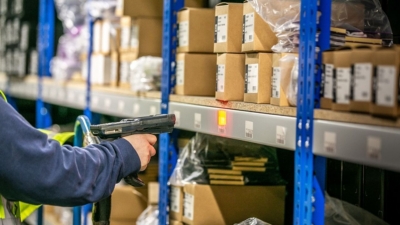
Implement continuous improvement principles to cut waste, reduce lead times, increase your warehouse project capacity and boost overall efficiency. If you haven’t already done so, invest in automated technology like warehouse management systems, barcoding and RFID tracking. These can optimise warehouse project jobs such as picking, packing and shipping.

Invest in Training
Additional training ensures your warehouse staff are proficient in their roles and able to make the most of your warehouse project capacity. Refresher training is also very useful, keeping employees up to date with the latest information and reminding them of important skills. This reduces the risk of errors and boost productivity. Incentive programmes can motivate your employees to work more efficiently and meet their productivity targets.
Reduce Your Operational Costs
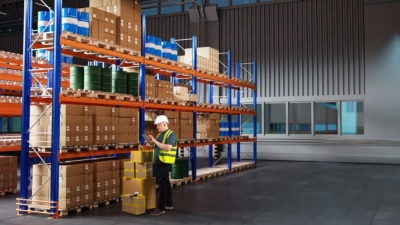
It may be possible to negotiate with some of your suppliers to reduce the costs of products. Another way to reduce operating costs is to consider changing your warehouse layout – try keeping travel distances to a minimum during warehouse project jobs, saving energy consumption and maximising the space available to you. Energy-efficient lighting, heating and cooling systems can also help you cut the cost of operating your warehouse.

Implement Demand Forecasting
Data analytics and historical sales data can help you create more accurate forecasts. This can help you plan more efficiently. You can also work closely with suppliers to gather real-time information on changes in demand, so you’re not sourcing too much stock – or not enough. Adding regular review cycles to this process can further strengthen your forecasting accuracy and keep your inventory strategy aligned with shifting market conditions.
Best-Selling Products
Discover our most popular collections for profitable warehouse operations

Warehouse Profitability FAQs
What are the most effective ways to increase warehouse profitability?
Optimise your layout, improve space utilisation, streamline workflows and reduce waste. Upgrading racking, improving processes and using data to guide decisions all help boost profitability.
How can automation and technology help make a warehouse more profitable?
Automation reduces manual labour, speeds up tasks and improves accuracy. Tools like WMS software, barcode scanning and automated storage systems cut costs and increase throughput.
What KPIs should I track to measure warehouse profitability?
Key KPIs include order accuracy, picking speed, inventory turnover, labour productivity, cost per order and space utilisation. Tracking these highlights where efficiency and profitability can improve.
How can better inventory management improve warehouse profitability?
Stronger inventory control reduces excess stock, prevents stockouts and lowers storage costs. Accurate forecasting and real‑time data help maintain optimal stock levels and improve fulfilment efficiency.
In Summary
Improving warehouse profitability comes down to smart planning, better use of space and more efficient processes. By investing in the right systems, improving inventory control and using data to guide decisions, you can reduce costs, increase capacity and run more productive warehouse projects. Small changes made consistently can deliver a significant impact on long‑term performance.

Contact Us
Looking for a bespoke solution? Speak to our Business Solutions team to find out more.