


What is an Ergonomic Desk and Which One is Best?
Ever wondered whether the desks in your office might be holding your team back? A badly designed workstation can have a negative impact on comfort and concentration, which quickly leads to a drop in performance levels – not to mention the strain it places on staff health, happiness and morale.
Here at BiGDUG, we’re all about prioritising productivity in the office. And when it comes to promoting a happier and healthier workday, we always recommend ergonomic desks to our customers. These are the desks designed to make your day easier and your performance better – and we’re here to explain why.
What is an Ergonomic Desk?
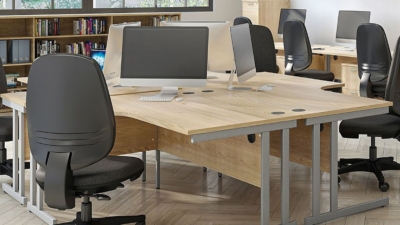
An ergonomic desk is a workstation designed to improve comfort and reduce physical strain while you work. It takes the basic structure of a standard desk and adds features to encourage healthy movement while eliminating the need to over-stretch.
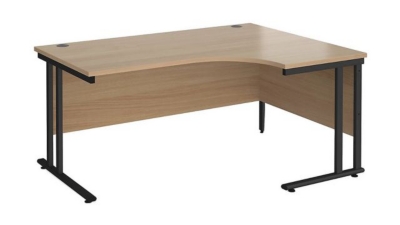
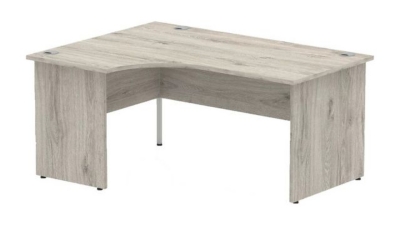
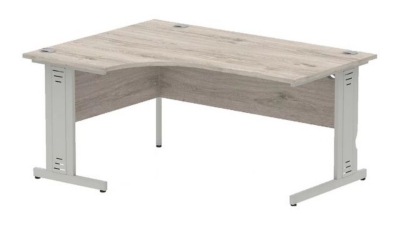
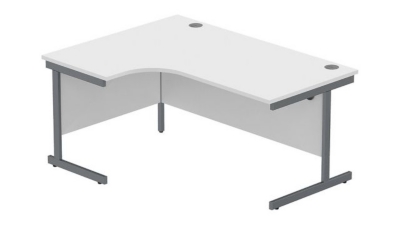
Among the most popular ergonomic designs is a corner desk with a curved desktop edge. Found in workplaces all over the UK, it dramatically increases your work surface while allowing you to work at the centre of the desk and keep everything within easy reach.
Alternatively, standing desks offer height-adjustable desktops that let you work on your feet as well as in your chair. Whether you’re sitting or standing, ergonomic office desks make long work hours feel more comfortable – as long as you choose the right desk size for your needs.
Office Desk Size and its Ergonomic Importance
How High Should a Desk Be?
The standard height for a computer desk is usually between 71cm and 76cm. It varies by brand or collection, and can also differ slightly between professional work desks and more style-led home office desk alternatives.
On average, a 73cm desk height is generally considered to suit user heights between 172cm (5ft 8in) and 182cm (6ft). Of course, it doesn’t fit everyone perfectly and even users of average height can struggle – raising or lowering your chair by a centimetre or two can make a big difference.
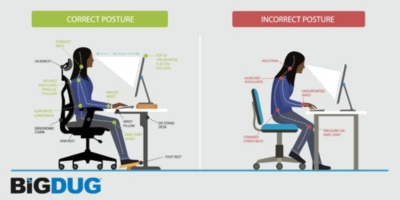
That’s why it’s so important to pair your desks with ergonomic office chairs and ensure the standard height of a desk works properly for you and your team. Simple seat adjustments help you find the best position that keeps your spine aligned, your feet flat on the floor and your elbows at an angle of around 90-100°.
How Deep Should a Desk Be?
The majority of rectangular office desks are available in 600mm or 800mm depths. An 800mm desk depth is standard for most professional workplaces, providing a spacious work surface for single or dual monitor setups as well as other important tech accessories. This depth is also commonly used for most ergonomic corner desks.
Alternatively, 600mm desk depths reduce the footprint by 200mm and provide a space-saving alternative for home offices or narrow areas. These compact desks take up less outward space when positioned against a wall, opening up floors and freeing up more room for clear walkways.
- 600mm desk depth – a compact desk depth for home offices or small spaces, perfect for laptop use or casual desktop setups
- 800mm desk depth – the standard depth for office desks and professional workstations, providing plenty of desktop space for monitors, keyboard, mouse and accessories
Browse BiGDUG’s Best-Selling Ergonomic Desks
Check out a selection of the best ergonomic desks according to BiGDUG’s customers
Your Guide to Proper Posture at an Ergonomic Desk
Once you’ve chosen the best ergonomic desk for your workspace, you need to make sure your setup works with it for maximum benefit. If you want help fine-tuning your workstation to achieve proper posture, check out BiGDUG’s at-a-glance guide – it covers all the key adjustments to help you get it right.
How Pedestals Affect Desk Ergonomics
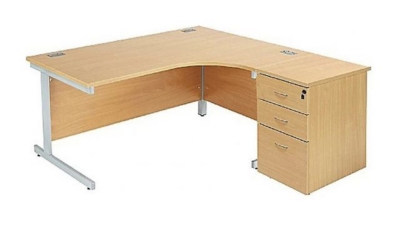
Adding pedestal drawers to an ergonomic desk can dramatically change the way a workstation supports your daily routine. You can choose from a variety of options to best suit your needs, depending on whether you prioritise convenient storage, additional desktop space or unrestricted freedom of movement. Below are our top recommendations.
- Desk High – sits alongside the desk to expand your work surface while increasing storage
- Under Desk – keeps your work essentials close by without taking up any additional floor space
- Mobile – fitted with castor wheels for easy repositioning to best suit the task you’re working on
- No Pedestal – maximises legroom beneath the desk and creates a more open workspace
Which is the Best Ergonomic Desk?
Best for Storage Space
- Commerce II Deluxe Ergonomic Office Desk – this corner desk includes a desk high pedestal to provide generous lockable storage space. It includes two box drawers for stationery and work essentials, plus an additional larger filing drawer that accepts A4 and foolscap files.
Best for Desktop Space
- Nordic Corner Sit-Stand Office Desk – available in 1600-1800mm lengths with an L-shaped 1600mm return to maximise desktop space. This adjustable desk lets you work sitting or standing and holds loads up to 160kg so you can raise your entire workstation.
Best for Standing
- Novigami Josi Standing Desk – one of our best-selling standing desks. Desktop height can be raised or lowered from 625-1275mm and you can store up to four of your favourite heights. The Novigami Josi desk also uses anti-collision technology for safe movement and supports loads of up to 125kg.
Best for Versatility
- Commerce II Ergonomic Desk – this desk includes a mobile pedestal for easy movement to suit your workload. The storage unit comes in a choice of two or three-drawer options and can be wheeled from left to right either beneath or alongside the desk, making it the best for versatile positioning.
Best for Cable Management
- InterAct Ergonomic Cable Managed Desk – as well as incorporating standard desktop cable access ports, this stylish desk also features concealed channels within the leg frame to keep cords hidden both above and below the desktop. The best choice for clutter-free tech connections.
Best for Budget
- Stellar Ergonomic Office Desk – a professional ergonomic desk that won’t break the budget. Available in a choice of desk widths from 1400-1800m and with plenty of potential for customisation, it’s an affordable option that retains key features like cable management and a wipe-clean desktop.
In Summary
Ergonomic desks play a vital role in creating a healthier workday for your employees. On average, office workers spend up to 75% of their day at the desk – that’s around five to six hours during an eight-hour shift, making office desks one of the most important investments your business will make.
It’s essential to choose the right desk height, depth and layout, and pair it with smart additions like pedestal drawers and adjustable chairs. Whether you’re looking for corner desks, standing desks or compact home office setups, prioritising ergonomics will help your team stay focused, energised and productive throughout the day.

CONTACT US
Looking for a bespoke solution? Speak to our Business Solutions team to find out more.