


How Secure are Key Safes?
When you’re thinking about buying a key safe, it is natural to question whether they're as secure as they need to be. It's also natural to worry about people with ill intent being able to manipulate and break into your key safe to gain access to your property.
You want to be well informed before making your purchase and stay away from cheaply made, poor-quality lockboxes. It’s worth investing the time and money to find the perfect fit for your key storage needs to protect your property. Certified key safes are actually just as safe as a locked door!
Find out more about what to consider when using a lockbox and what you can do to minimise risks.
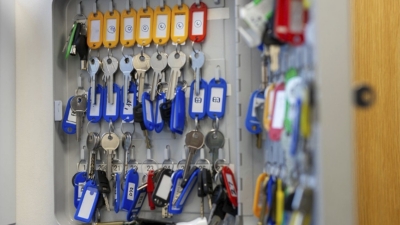
What is a Key Safe?
You may be wondering, what exactly is a key safe? And are key safes safe? A key safe is exactly what it says it is – it’s a safe for storing your key. These safes come with features such as PIN pads or wheels with numbers on them (similar to a bike lockpad) so a PIN can be added to limit who can access the key or keys.
How secure are outdoor key safes? These safes are especially designed for use in outdoor environments and used whenever you need to selectively provide access to a property when you’re not at home. Check out our Key Safe Buying Guide for more information. They're a popular choice for holiday rentals, care work or other workplaces, and perfect for home use too – particularly when trade professionals need access to your house while you’re out or at work.
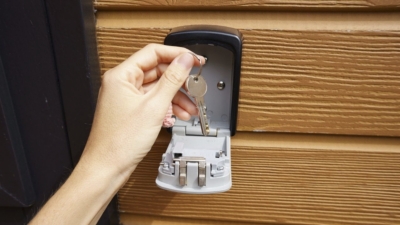
Can Key Safes be Broken Into?
Are key safes secure? No device is 100% secure and, in theory, any key safe can be compromised if it’s being worked on with power tools for a long time. However, certified key safe models are designed to withstand such attacks and discourage break-in attempts by making it particularly challenging to get in.
Police-certified models are extra sturdy and can resist hammering, prying or tampering for a good while. Burglars are usually looking for locations that are easy to get in and out of quickly as the longer they linger, the higher the chance of getting caught red-handed.
Certifications to look out for are the LPS 1175 certification by the Loss Prevention Certification Board and the Secure by Design (SBD) initiative. LPS 1175 assesses and tests products to see how well they withstand a physical attack so that it can provide a security rating. Depending on your property location and other factors, there will be a recommended rating for your personal situation.
Secure by Design is an initiative by the UK police to reduce crime by approving products that deter crime and are more resistant to manipulation attempts.
Familiarise yourself with the different mechanisms to choose the right one for your needs. Push buttons and wheel combinations don’t need electricity and are the preferred choice for many people. If your purpose requires higher security levels, you might want to look at electronic key safes with fingerprint locks.
For most cases, that isn’t necessary and the other two will be sufficient as long as you are mindful about picking a code that is secure and not guessable.
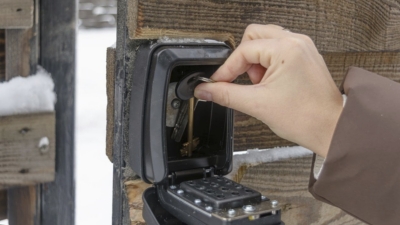
How Safe are Key Safes for Different Scenarios?
Elderly and Care Access
How safe are key safes for the elderly and carers? Key safes are a safe way to provide access to carers as long as you follow a few simple procedures. The code to your key safe should only ever be shared with people who require it and can be trusted. Make sure the channels you use to share the code are secure and not hackable to avoid issues.
Furthermore, the placement of the key safe should follow best practices and be somewhere subtle and secure to prevent it from being discovered by anyone who might have ill intentions.
Holiday Lettings
Holiday lettings often use key safes to provide access without a physical key handover. It's convenient and safe for everyone involved. Put the key safe where visitors can find it but where the general public won’t necessarily spot it. It's recommended to change the code between visitors to prevent unauthorised access to the premises.
Workplace Key Safes
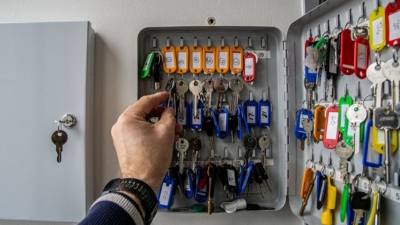
Workplaces often use key storage in cases when several people need access to a locked area but distributing copies of the key isn’t deemed practical or secure. A key safe is a convenient way to ensure access for everyone who needs it, as long as you follow some safety tips such as good code hygiene (like changing the code when people leave the workplace), safe placement and picking a key box that is certified. Access to critical areas should be secured with an electronic key safe that uses fingerprint locks.
Best Practices for Installing a Key Safe
Location
When choosing a location for your key safe, there are a few things to keep in mind. Ideally, you don’t want it to be overly noticeable from the road to avoid making potential burglars aware of its whereabouts. Equally, you don’t want it to be too hidden and isolated so as to not give a potential intruder the peace and quiet they would need to tamper with it unnoticed.
Use the Correct Fixings
The fixings you use to attach your key safe are crucial – always anchor it to a solid area such as brickwork or concrete and use heavy-duty masonry bolts. If you attach the key safe to thin timber or loose mortar, you risk an intruder being able to detach the key safe in order to break it open somewhere else in peace.
Practice Code Hygiene
Best practice for code hygiene is essential to keep your property protected from unauthorised people entering. Birth years, or other easy-to-guess dates as well as basic codes such as 1234, are not suitable to keep the premises secure.
It's also recommended to change your code after sharing it with someone who doesn’t require regular access – this could be trade professionals, contractors or one-time visitors.
Weather Protection
Pay attention to the weather resistance of your key safe to reduce the risk of weather-related damage. Rain or damp has the potential to cause corrosion – this increases the risk of a lock mechanism malfunction, which can make it easier to pry open or even prevent legitimate access.
Shop BiGDUG’s Range of Key Safes
Find the key safe that meets your requirements and keeps your property protected from unwanted entry. Browse our full range of key safes to keep your keys available to those who need them while keeping everyone else out!

CONTACT US
Looking for a bespoke solution? Speak to our Business Solutions team to find out more.