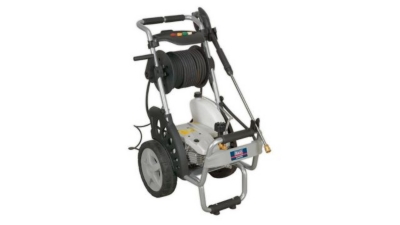
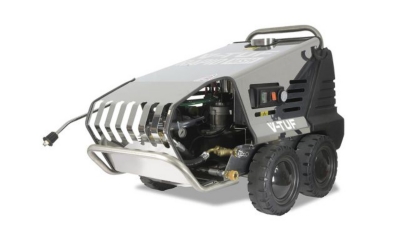
V-TUF V7 Electric Pressure Washer
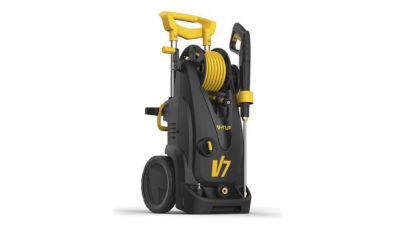

What Are the Best Pressure Washers?
When it comes to tackling big clean-up jobs around the home or workplace, pressure washers are powerful tools capable of blasting away even the toughest dirt and grime – but which is the best pressure washer for your needs?
With so many models and features designed for different purposes, choosing the right pressure washer can feel a little overwhelming. But fear not – we'll walk you through the key features to consider and highlight some of the most popular products on the market, helping you make the correct choice with confidence.
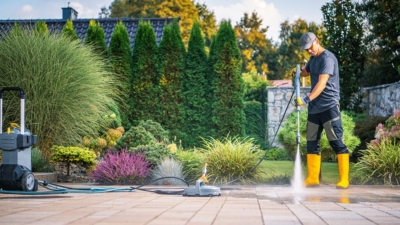
When choosing your pressure washer model, be sure that you understand bar pressure as well as water flow, what the difference is and what those features do.
Bar pressure refers to the force with which the water is being expelled from the washer. Higher doesn’t always equal better though – some tasks require lower pressure (usually around 70 to 100 bar) to avoid damage. Your average household pressure washer usually operates at around 110 to 130 bar, while some heavy-duty cleaning tasks will require 150 bar or more.
Water flow, on the other hand, describes the amount of water, typically measured in litres per hour. While the pressure is what loosens the dirt, it is the water flow that washes it away.
There are three types of motors used for pressure washers:
Induction motors are often considered the best choice as they tend to be quieter and more efficient than the others. They also beat them in terms of longevity. Pumps can be made of brass, aluminium or plastic. Brass and aluminium are often considered preferable to plastic as they tend to last longer.
The Total Stop System (TSS) that some pressure washer models feature comes with a few advantages. Essentially, the TSS turns off the motor completely every time you release the trigger. As a result:
This isn't only great for the environment by cutting down on the need for replacing parts or the whole pressure washer, but also provides you with more value for your money.
Depending on the purpose of your pressure washer, it might be worth considering getting some accessories that help you speed up the cleaning process and make it easier:
There are plenty of other pressure washer accessories available for different types of jobs. Take a look at our extensive range of products to see if there's anything to make the job you plan easier.
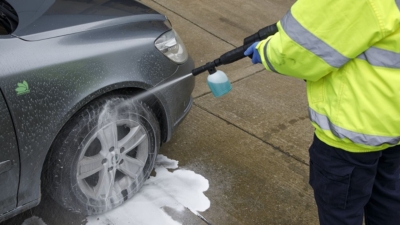
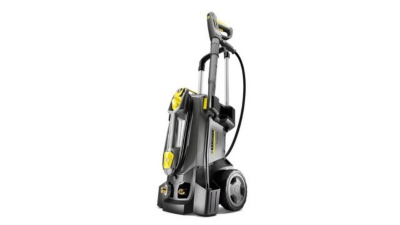
If you’re looking for a pressure washer brand that will do the best job at home or for light commercial use, Karcher is our preferred manufacturer. Karcher delivers a range of pressure washer models ideal for cleaning patios, driveways or fleet vehicles. The company has been around for almost a century and its expertise makes it the leader in the industry.
Karcher offers single-pump as well as twin-pump models. Twin pumps can increase pressure and water flow and help you get the task done quicker. To save water and energy for casual cleaning jobs, you can pick a model with lower bar pressure and water flow. Alternatively, there are spray nozzles that create a wider and gentler water jet. This method is not only environmentally friendly, but also prevents damage to sensitive surfaces.
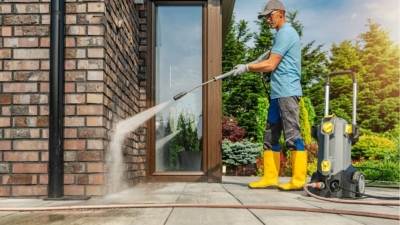
For heavy-duty cleaning jobs, you might want to consider an industrial pressure washer over a commercial one or even look for the best cordless pressure washer. Some models use hot water, which is especially useful for breaking down and removing grease or oil without the need for heavy chemicals. This protects your surfaces and is also more eco-friendly.
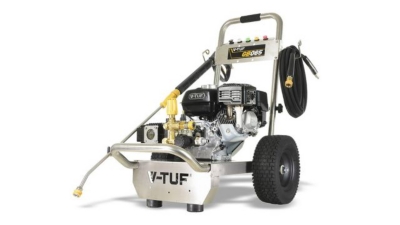
In areas without electricity supply, units with a petrol engine are especially useful. These are a good choice whenever you need a particularly powerful pressure washer or a portable device.
Industrial pressure washers are designed for continuous use and often include features to protect them from overuse. Some models may have thermal overload protection, low-oil cut-offs and heavy-duty puncture-proof wheels. When it comes to recommendations, we believe that the VTUF range is ideal for industrial pressure washers.
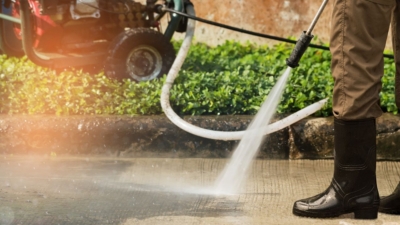
So, the job is done and you can put your pressure washer away now. But what is the best way to store it? The first step is always to completely drain the remaining water to prevent damage to the tool, such as frost damage to the pump head.
Secondly, disconnect the hose and any accessories. Lastly, you want to keep your pressure water in a frost-free environment, make sure that it is on an even surface, and don’t coil the hose overly tight to avoid damaging it prematurely.
No, higher bar pressure does not always equate to a better tool. The pressure should always correspond to the job at hand. Excessive pressure causes damage to delicate brickwork, strips timber, and can chip your car’s paint. If you work with more delicate items, we recommend pressure of under 100 bar for gentle cleaning.
If you're looking for a pressure washer specifically for cleaning your patio, there are a few features you need to look out for. Pick a unit that has 130 bar or higher pressure to be certain that it can remove more stubborn dirt patches. Additionally, a minimum flow rate of 400L/hr is recommended for an efficient process. A patio cleaning attachment might not be necessary, but we highly recommend using one to speed up the process and make it more efficient.
Regardless of the cleaning job and the specific requirements for the pressure washer you’re looking for, BiGDUG has got you covered! Browse our selection of pressure washers to find what you need.

Looking for a bespoke solution? Speak to our Business Solutions team to find out more.